Dell Latitude E7270 review
Dell Latitude E7270 — from 2015, 1.26 kg, performance 24.
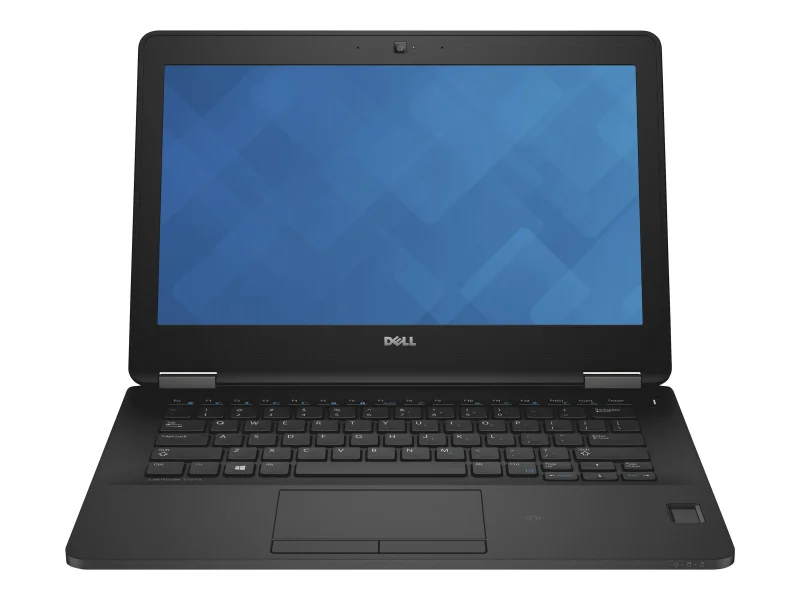
Technical specifications
| Type | Business |
| Release year | 2015 |
| Screen | 12.5" · 1366x768 |
| Processor | Intel Core i5 6200U , Intel Core i5 6300U , Intel Core i7 6600U |
| Max. RAM | 32 GB |
| Weight | 1.26 kg |
| Battery | 55 Wh |
Performance scores
Where the Latitude E7270 stands
The Dell Latitude E7270 is the compact sibling in Dell's 2015 business lineup — a 12.5-inch ultrabook that has aged into the ultra-budget tier at roughly $184, well below the category median of $297. Like its larger E7470 counterpart, it pairs a modest GPU surplus with decade-old hardware. The GPU score of 7.9 is more than double the category median of 3.8, a small but meaningful edge for an office-class machine in this price band.
Graphics: small but real surplus
The E7270's GPU score of 7.9 places it above typical office hardware in its category. Practical capability follows: Grand Theft Auto V, The Sims 4, and Valorant all run within recommended or minimum envelopes. For a compact business laptop, this is more graphics headroom than most competitors in the sub-$200 range offer. It is not a gaming machine, but it can hold its own on older titles and GPU-accelerated media tasks.
Reliability: the binding caveat
The reliability index of 15 is 65% below the category median of 42.5. As with the E7470, this reflects a decade of cumulative wear on business hardware — a honest indicator, not a verdict. The machine is functional today, but buyers should weight the probability of component failure within the next 12-24 months higher than for a newer alternative. This is the trade-off that makes the low price possible.
Price trajectory
The depreciation curve has reached its flat tail. From $1,300 in 2015 to $184 today, the E7270 has lost roughly 86% of its original value at an annual rate of 6.9%. The projected price two years out is approximately $159 — a further 13% decline. There is little residual value left to erode; what remains is a slow, predictable drift toward the price floor.
How it compares
In the $170-$200 refurbished business segment, the E7270 is one of several decade-old options. Above it, the Dell Latitude 5400 at $199 and the Latitude E5570 at $194 offer newer hardware at a marginal premium. Below, the Lenovo ThinkPad T460s at $169 and the HP ProBook 455 G2 at $174 are direct competitors in age and capability. The E7270's distinguishing factor is its GPU surplus — a modest advantage that, combined with its compact form factor, makes it a reasonable pick among similarly-priced alternatives.
Bottom line
The Latitude E7270 is a compact, ultra-budget business ultrabook whose graphics surplus outlasts its office designation. At $184, it is priced below the category median and offers more GPU headroom than most competitors in its band. The trade-off is reliability — a decade of service limits the remaining lifespan. For buyers who need a cheap, portable secondary machine with usable graphics for casual gaming or media work, it earns its asking price.
🧭 Your context
Stage: Refining requirements
You're refining — compare finalists head-to-head.
🎯 For your profile
You've viewed: You've recently viewed 38 models — compare this model with them in the analogs matrix.
⭐ What stands out
-
graphics performance is higher than typical business class (+106%) (office tier).
above class average -
reliability is lower than typical business class (+64.7%) (low tier).
budget segment of category -
CPU performance is lower than typical business class (+58.1%) (basic tier).
budget segment of category
🔁 Alternatives
Compromise axis: reliability ↔ price
🎮 What it can run
⚙️ Configuration analysis
Top configuration is built for office apps, web browsing, and basic daily tasks.
🤔 How to choose
Universal advice for any use case.
- Reliability vs price: reliability (median 42.5) ↔ price (median 297.4).
- Weight vs CPU: mobility (median 60) ↔ overall performance (median 41.5).
- Upgradeability vs battery: upgradability (median 62.5) ↔ battery life (median 3.3).
Latitude E7270: verdict
➡️ Next step
You're refining — compare finalists head-to-head.