ASUS Vivobook 16 (X1605) review
ASUS Vivobook 16 (X1605) — from 2024, 1.88 kg, performance 45.
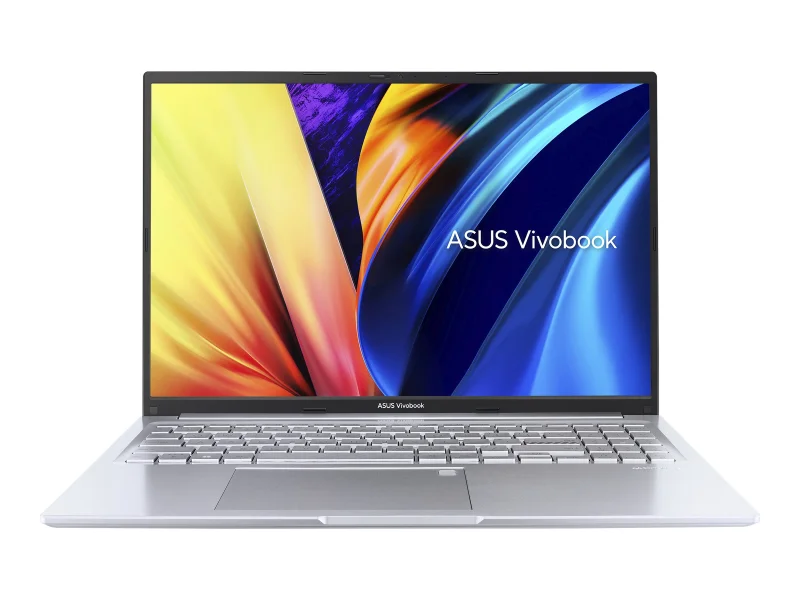
Technical specifications
| Type | Laptop |
| Release year | 2024 |
| Screen | 16" · 1920x1200 |
| Processor | Intel Core i5 1235U , Intel Core i7 1255U , Intel Core i5 13500H , Intel Core i7 13700H , Intel Core 3 100U , Intel Core 5 120U , Intel Core 7 150U |
| Max. RAM | 16 GB |
| Weight | 1.88 kg |
| Battery | 42 Wh |
Performance scores
Ninety-two on longevity at a six-fifty ticket
The ASUS Vivobook 16 (X1605) is a 2024 general-class machine: a Core i5-1235U with 16GB of memory at $650. The sheet reads reliability at 92 — seventy percent above the class median, top-quartile — as the strength, with the processor at 75.15, also top-quartile, alongside; the recorded weak axis is the 16GB memory ceiling at half the class norm.
The years-first general-class ticket
Reliability at 92 is the figure that carries this machine: top-quartile longevity odds in a class where the median machine reads 54, on a 2024 platform young enough to deliver them. The processor placing at 75.15 backs the compute side, and the flag sheet verifies the visual scope: Overwatch, Grand Theft Auto V and Rainbow Six Siege clear recommended, with Photoshop and Visual Studio Code clearing minimums. That is a complete, calibrated sheet for integrated silicon — light-to-mid gaming, real office duty, honest creative minimums.
The memory trade, plainly
Sixteen gigabytes is the recorded constraint and the one spec a heavy owner feels first; the class median of 32 sets the expectation. The buyer's equation at $650 is years-and-verification against headroom — the same money as the V16's RTX 3050 ticket in this batch, trading the discrete card for the stronger longevity reading. Both equations are honest; the workload decides.
No depreciation anchor
No release-price anchor is recorded; the platform convention runs near fourteen percent per year. On a near-current platform at a mid ticket, the value case rests on the reliability figure rather than the curve.
Positioning against the aisle
No recorded analogs fall within the comparison band. The within-batch neighbors frame the trade: the V16 at $650 with its measured card, the 17X at $553 with its unverified twelve cores — this seat holds the longevity-plus-flags corner of that triangle.
Bottom line
A fairly-priced, longevity-first general-class machine with a verified recommended-level green sheet and an honestly-recorded memory ceiling. For the buy-once buyer whose workload fits 16GB, this is one of the soundest mid-tickets in the batch.
🧭 Your context
Stage: Vague sense of need
Browse category overviews to narrow things down.
🎮 What it can run
⚙️ Configuration analysis
Top configuration is sufficient for office work, media playback, and older or undemanding games.
🤔 How to choose
Universal advice for any use case.
- Reliability vs price: reliability (median 54) ↔ price (median 247.9).
- Weight vs CPU: mobility (median 50) ↔ overall performance (median 43.1).
- Upgradeability vs battery: upgradability (median 50) ↔ battery life (median 2.3).
Vivobook 16 (X1605): verdict
➡️ Next step
Browse category overviews to narrow things down.