Budget Light: category overview
Budget Light — median price ~$264, from 2020, 17 models.
Lightweight budget laptops for carrying. Weight vs price trade-off.
Category characteristics
Top models in this category (17 models in total)



Who this category is for
Laptops in this category are designed for basic tasks: web browsing, documents, education, and video calls. Don't expect gaming (beyond the lightest titles) or heavy professional work.
When to choose: limited budget, a laptop as a second device, or one for a child or an older adult.
When NOT to: if you need steady performance in demanding apps, gaming, or extended use away from a charger.
Budget Light is the smallest budget basin we publish — 17 models — and it answers a narrow question: what does the newest possible laptop look like under $300? The answer is a 2020-2023 fleet (median year 2020, the youngest of any budget class) centered on 1.5 kg carrying weight, priced from $127 with a median around $264. Dell, HP and Lenovo split it almost evenly, with one Microsoft outlier. Small basin means thin choice: listings rotate fast and the two picks below are the ones worth waiting for.
What the class buys in 2026
The interesting trade here is age versus spec: you give up the corporate overbuilding of the older budget tiers and get current-generation entry silicon instead. Office comfort scores a median of 75 — a clear step above the budget-office class at 50 — portability reaches 69, and the weight floor is genuinely low (the lightest machine here is 0.52 kg). What you don't get is memory headroom: the class median maximum RAM is 64GB because the business lights support big upgrades, but the budget end of the pool ships and often caps at 16GB. Real-battery data is thin — the six measured machines suggest around 4 hours.
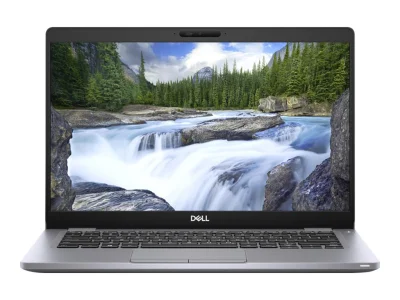
The pick of the basin: Dell Latitude 3340
The Latitude 3340 (2023, $127) is the standout value of the whole basin: a 12th-gen i3 with 16GB of RAM — not a Chromebook, not a Celeron — at the lowest price in the class. Its reliability score of 77 doubles the class median of 38, and that figure matches the machine's story: the 3000-series education fleet is built to survive students. The depreciation math is remarkable — from an original $1,300 to $127, about 10.6% per year — and our two-year projection still lands near $102, so there is almost no value left to lose. The honest ceiling: 16GB maximum RAM where the class median machine supports more.
Note the shape of this neighborhood: the nearest "step-up" listings are older, heavier machines at higher prices — a function of the basin being small enough that neighbors come from adjacent classes. In this tier, newer and cheaper is genuinely the better machine.
The runner-up: Microsoft Surface Go 4
The Surface Go 4 (2023, $246 estimated) is the 0.52 kg outlier — a true tablet-format Windows machine at 65% below the class median weight. Be clear-eyed about what the N200 processor is: our performance index reads 14 against a class median of 34, and with only a quarter of spec fields populated for this model, that figure says "unproven" more than "slow". This is a companion device — notes, email, browsing on a couch — not a primary computer.
What to check before you buy
In a 17-model basin, patience matters more than negotiation: the right listing at the right price appears weekly, not daily. For the 3340, ask whether it was fleet-managed (education models usually were — battery cycles matter more than cosmetic wear). For the Surface Go 4, verify the Type Cover is included in the listing; it is half the machine's usability and a separate purchase stings. If portability matters less than price, the budget-surfing class offers more choice at similar money.
Bottom line
Budget Light is the "newest silicon per dollar" play: the 2023 Latitude 3340 at $127 is arguably the single best value in the entire budget tier, and everything else in the basin is measured against it. Buy that, or buy nothing and wait.
🧭 Your context
Stage: Refining requirements
You're refining — compare finalists head-to-head.
🎯 For your profile
You've viewed: You've recently viewed 28 models — compare this model with them in the analogs matrix.
⭐ What stands out
-
reliability is higher than typical budget-light class (+102.6%) (high tier).
top 25% of its category -
memory capacity is lower than typical budget-light class (+75%) (comfort).
budget segment of category -
price is lower than typical budget-light class (+53%) (ultra-budget).
budget segment of category
🔁 Alternatives
Compromise axis: battery life ↔ screen quality
🎮 What it can run
⚙️ Configuration analysis
Top configuration suits everyday productivity, light photo editing, and esports titles.
⭐ What stands out
-
reliability is higher than typical budget-light class (+84.2%) (high tier).
top 25% of its category -
weight is lower than typical budget-light class (+65.3%) (ultralight).
budget segment of category -
overall performance is lower than typical budget-light class (+58.7%) (low tier).
budget segment of category
⚙️ Configuration analysis
Top configuration is built for office apps, web browsing, and basic daily tasks.
🤔 How to choose
Realistic expectations: SSD, 8+ GB RAM, gen-8+ CPU — the baseline minimum.
- Reliability vs price: reliability (median 38) ↔ price (median 271.1).
- Battery vs price: battery life (median 4.2) ↔ price (median 271.1).
- Upgradeability vs price: upgradability (median 100) ↔ price (median 271.1).
Optimal: 3-4 year used business series with SSD and RAM slot — best price/reliability ratio.
Budget Light: verdict
➡️ Next step
You're refining — compare finalists head-to-head.